
December 29, 2025
Allergies and Sleep: The Connection Between Daytime Fatigue

If January has you wondering, “Why am I so tired all the time?” — you’re definitely not alone. Fatigue, brain fog, and low energy are some of the most common things we hear about this time of year at Southern Nevada Allergy.
It’s easy to blame busy schedules, stress, or winter routines, but many people are surprised to learn that their allergies may be part of the problem. Allergy symptoms like a stuffy nose, sneezing, or postnasal drip don’t just bother you during the day — they can make it harder to breathe comfortably at night and keep your sleep from being truly restful.
When allergies cause inflammation or block your nasal passages, sleep often becomes lighter and more interrupted. You may still be in bed for eight hours, but your body isn’t getting the deep, restorative rest it needs. That’s why so many allergy sufferers wake up feeling groggy, unfocused, or worn down — even after what should have been a full night’s sleep.
Over time, this cycle can really take a toll. Your immune system is constantly working to fight allergens, while poor sleep makes it harder for your body to recharge. The result is allergy fatigue — that lingering, hard-to-shake tiredness that seems to follow you throughout the day.
How Allergies and Sleep Are Directly Connected
Allergies don’t stop when you go to bed. In fact, many allergy symptoms worsen at night.
Allergic reactions at night can cause a range of physical symptoms, including nasal symptoms and itchy eyes. When the immune system reacts to allergens like dust mites, pet dander, pollen, or other airborne allergens, it creates an allergic response. This immune response releases histamine and inflammatory chemicals that cause:
- Nasal congestion and a stuffy nose
- Runny nose and postnasal drip
- Itchy eyes or watery eyes
- Swelling in the nasal passages
These physical symptoms can significantly disrupt sleep, making it harder to fall asleep, stay asleep, and reach deeper, restorative stages of rest.
Research has shown that allergic rhinitis is one of the leading causes of sleep disruptions. Individuals with allergies are more than twice as likely to have insomnia than those without allergies.
Why Nasal Congestion Has Such a Big Impact on Sleep Quality
Healthy sleep depends on clear airflow. When allergies inflame the nasal passages, breathing becomes more difficult — especially when lying flat. Nasal symptoms like congestion and stuffiness can contribute to sleep-disordered breathing, such as snoring and sleep apnea, by causing airway obstruction.
Blocked nasal passages can lead to:
- Mouth breathing
- Dry mouth or sore throat
- Snoring
- Restless sleep and frequent awakenings
Nasal corticosteroid sprays are highly effective for reducing inflammation and managing chronic nasal symptoms.
Even subtle breathing disruptions can fragment the sleep-wake cycle, leading to poor quality sleep that leaves you feeling unrefreshed the next morning. Elevating the head while sleeping can help reduce nasal congestion and post-nasal drip.
Mouth Breathing, Snoring, and Sleep Apnea Concerns
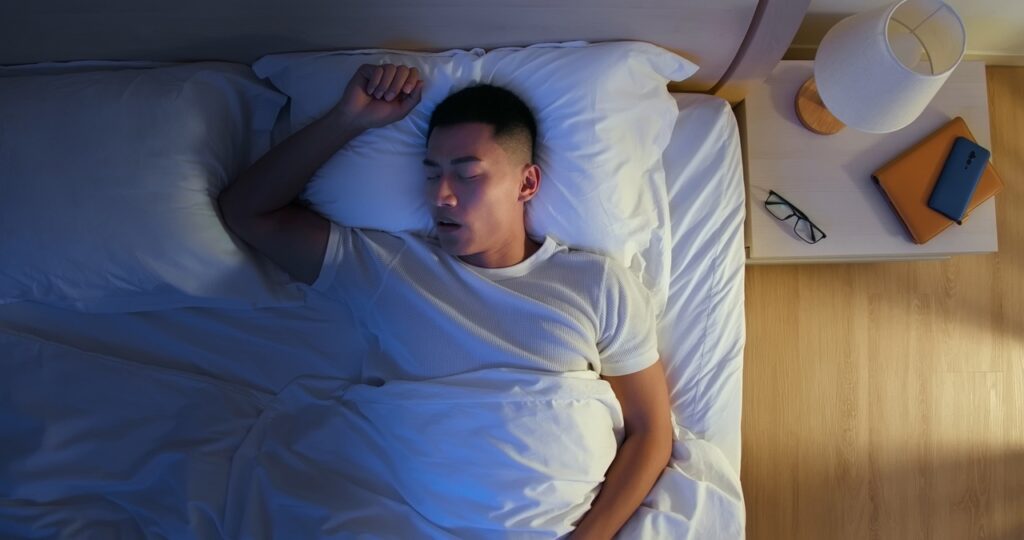
Chronic nasal congestion often forces the body to breathe through the mouth during sleep. Over time, this can worsen snoring and contribute to sleep disorders such as sleep apnea. Mouth breathing and snoring can lead to sleep disturbances, affecting overall sleep quality.
While allergies do not cause obstructive sleep apnea, untreated nasal inflammation can worsen symptoms in people who already snore or struggle with breathing at night. Allergic reactions can contribute to sleep-disordered breathing, further impacting restful sleep. Sleep apnea is also associated with daytime sleepiness, difficulty concentrating, and long-term health risks such as high blood pressure.
If snoring, gasping, or breathing pauses occur alongside persistent allergy symptoms, evaluation is important.
Allergy Fatigue: Why Allergies Make You Tired During the Day
Many patients describe allergy fatigue as different from typical tiredness. It can feel heavier, more persistent, and harder to recover from. Identifying and addressing allergy fatigue is important to fix allergy fatigue and improve both your energy levels and mental health.
Allergies can make you tired because:
- Poor sleep prevents proper physical and mental recovery
- Ongoing inflammation taxes the immune system
- Histamine affects alertness and focus
- Breathing difficulties reduce oxygen intake
The result is often daytime fatigue, brain fog, and a constant feeling of being run down — even after what should have been a full night’s sleep. Addressing allergy symptoms can help reduce fatigue.
Identifying the specific allergen causing your symptoms is crucial for managing allergy fatigue. Lifestyle changes may help reduce fatigue in the long run.
How Allergies Affect Children’s Sleep, Behavior, and School Performance
Children often show sleep disruption differently than adults. Instead of appearing sleepy, they may seem:
- Irritable or emotionally reactive
- Hyperactive or unfocused
- Struggling with attention or behavior at school
Children may experience physical symptoms of allergies, such as itchy eyes or a runny nose, which can directly disrupt their sleep. Allergic reactions can cause sleep disturbances in children.
Conditions like allergic rhinitis (hay fever), pet allergies, or food allergies can disrupt sleep patterns, impacting mood, learning, and overall well-being. In many cases, daytime behavior issues are actually signs of chronic sleep disruption.

Indoor Allergens That Commonly Disrupt Sleep in Winter
January often means spending more time indoors, which can increase exposure to allergens that disrupt sleep. Common triggers include dust mites in bedding, pet dander on furniture and clothing, and mold spores in damp areas of the home. Even during winter, pollen can be tracked indoors on hair and clothing, contributing to nighttime symptoms.
These allergens can worsen nasal congestion, trigger allergy symptoms at night, and interfere with sleep quality. Simple steps such as washing bedding weekly in hot water, using allergen-proof mattress and pillow covers, keeping pets out of the bedroom, running an air purifier, and showering before bed can help reduce nighttime exposure and support better sleep.
Lifestyle Changes for Allergy Relief and Better Sleep
Simple lifestyle adjustments can make a meaningful difference in managing allergy symptoms and improving sleep quality. While medical treatment is often essential, daily habits and environmental awareness play an important supporting role.
Consider these practical steps to reduce allergy triggers and support more restful sleep:
- Create an allergy-friendly bedroom. Wash bedding weekly in hot water to reduce dust mites, use allergen-proof mattress and pillow covers, and keep pets out of sleeping areas to limit pet dander exposure.
- Shower before bed. Rinsing off pollen, airborne allergens, and pet dander can prevent them from transferring to pillows and bedding overnight.
- Use an air purifier. High-quality air filtration can help reduce airborne allergens in bedrooms, supporting clearer breathing during sleep.
- Monitor pollen levels. On high pollen days, keep windows closed and change clothes after spending time outdoors to limit indoor exposure.
- Support nasal airflow. Consistent use of prescribed or recommended nasal sprays can help reduce inflammation and improve nighttime breathing.
- Be mindful of medication timing. Some allergy medications may cause drowsiness or interfere with sleep. Adjusting timing under medical guidance can make a difference.
These small changes can work together to reduce nighttime symptoms, improve breathing, and help restore more consistent sleep patterns.
Do Allergy Medications Affect Sleep?
Some over-the-counter antihistamines can help relieve sneezing, itching, and nasal congestion, but they may also cause side effects such as drowsiness. While some antihistamines can cause drowsiness, others may interfere with sleep or cause dryness. Taking allergy medication at night can ensure the dose is strong when going to bed, which may improve sleep quality.
At Southern Nevada Allergy, we focus on thoughtful medication management, which may include:
- Non-drowsy antihistamines
- Targeted nasal sprays to reduce inflammation
- Adjusting timing or dosage
- Exploring longer-term treatment options
If medications make you feel tired, cause side effects, or don’t adequately control symptoms, adjustments may be needed. For persistent symptoms or medication side effects, consult a healthcare provider to ensure proper diagnosis and treatment.
When Allergy Testing and Treatment Improve Sleep
One of the most rewarding moments in allergy care is when patients realize how much better they sleep after proper treatment.
Allergy testing helps identify specific triggers — such as pollen, dust mites, or pet allergies — so treatment can be tailored. For some patients, allergy shots (immunotherapy) offer long-term relief by helping the immune system react less aggressively over time.
As inflammation decreases, many patients experience:
- Improved breathing at night
- Fewer awakenings
- Better sleep quality
- Reduced daytime fatigue
How Southern Nevada Allergy Helps Address Allergy-Related Sleep Problems
At Southern Nevada Allergy, we take a comprehensive approach to allergy care — looking beyond surface symptoms to understand how allergies affect sleep, energy, and daily life.
By identifying triggers, reducing inflammation, and creating personalized treatment plans, we help patients move toward better sleep, improved focus, and healthier days.
When to Schedule an Allergy Evaluation
Consider scheduling an appointment if you or your child experience:
- Persistent nasal congestion or sore throat
- Snoring or restless sleep
- Ongoing fatigue despite adequate sleep
- Daytime sleepiness affecting work, school, or mood
Addressing allergies may be the missing link between feeling tired and finally feeling rested.

Restful Sleep Starts with Effective Allergy Care
Sleep isn’t just about the number of hours you spend in bed — it’s about how well your body can breathe, recover, and reset. When allergies are left untreated, ongoing inflammation and congestion can quietly interfere with that process night after night.
At Southern Nevada Allergy, we often see patients regain energy, mental clarity, and better sleep once their allergy symptoms are properly identified and managed. With personalized testing, targeted treatment plans, and long-term solutions, many patients experience improvements that go far beyond symptom relief.
If ongoing fatigue, poor sleep, or nighttime breathing issues are affecting your quality of life, we encourage you to schedule a consultation with Southern Nevada Allergy. Identifying the root cause of your symptoms may be the first step toward deeper sleep, brighter days, and lasting relief.


