
March 17, 2026
When Ongoing Allergy Symptoms May Need Medical Care

Many people experience occasional allergy symptoms throughout the year. A runny nose, sneezing, itchy eyes, or a stuffy nose may seem like minor irritations that come and go with the seasons. These are all examples of allergic symptoms, which can be triggered by indoor allergens like dust, mold, and pet dander. But when these symptoms linger or become part of your daily routine, they may indicate something more persistent.
Ongoing allergy symptoms can affect sleep, energy levels, and overall health. While some seasonal allergies are triggered during pollen season, others may occur year round because of indoor allergens such as dust mites, pet dander, or mold spores. Allergy occurs when the immune system overreacts to harmless substances, leading to these symptoms. Common ongoing allergy symptoms include persistent sneezing, runny or stuffy nose, itchy eyes or throat, coughing, and fatigue. Recognizing when allergy symptoms require medical care can help you find lasting symptom relief and prevent complications.
At Southern Nevada Allergy, our specialists help patients identify the cause of persistent allergies and create personalized treatment strategies that help people breathe easier and feel better.
What Are Ongoing Allergy Symptoms?
Allergies occur when the body’s immune system reacts to substances that are normally harmless. The allergic response in allergic rhinitis is an IgE-mediated immune response against inhaled allergens. These substances—called allergens—can trigger an allergic response that affects the nose, eyes, skin, and lungs.
The most common type of allergy affecting the nose is allergic rhinitis, sometimes called hay fever or seasonal allergic rhinitis. This condition causes a range of nasal symptoms, including:
- Runny nose
- Nasal congestion
- Sneezing
- Itchy nose
- Nasal irritation
- Stuffy nose
Allergic rhinitis is characterized by symptoms of nasal congestion, clear rhinorrhea, sneezing, and nasal pruritis. Mediators like histamine, leukotrienes, and prostaglandins affect blood vessels in the nasal passages, causing inflammation, dilation, and increased permeability, which leads to symptoms such as nasal swelling and congestion.
Allergies can also affect other parts of the body. Many people experience allergic conjunctivitis, which causes watery eyes, itchy eyes, and eye irritation. Others develop skin allergies, including itchy skin, skin rash, or atopic dermatitis. Persistent allergic reactions affect various body systems and may fluctuate in severity over time.
While some people experience symptoms only during pollen season, others develop perennial allergies that occur throughout the year. Perennial allergies are caused by indoor allergens that are present year-round, such as dust mites, pet dander, and mold. The most obvious symptom of perennial allergies is a chronically stuffy nose. Symptoms of seasonal allergies typically include sneezing, runny or stuffy nose, and itchy eyes, while perennial allergies often cause similar nasal symptoms but may not include eye symptoms.
Common Allergens That Trigger Persistent Symptoms
Many types of allergies are triggered by substances found in everyday environments. Some allergens appear seasonally, while others are present year-round.
Common indoor allergens include:
- Dust mites found in bedding and furniture
- Pet dander or animal dander
- House dust
- Mold spores
Outdoor allergens may include:
- Tree and grass pollen during pollen season
- Weed pollen
- Environmental irritants carried in the air
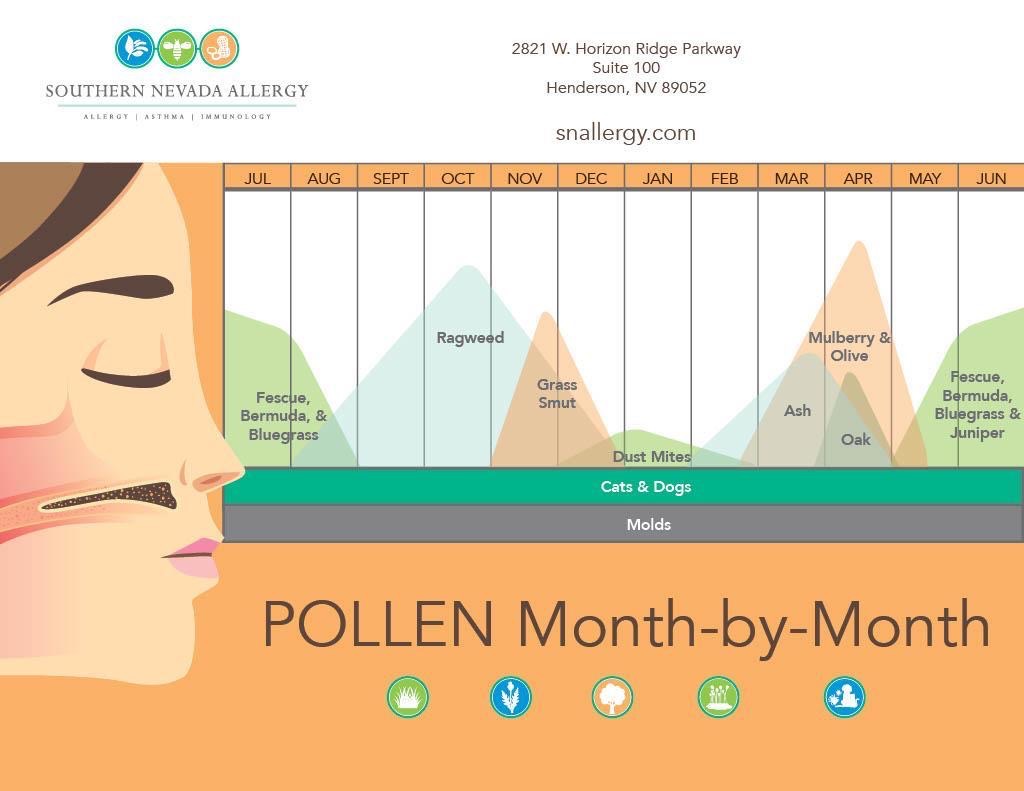
Monitoring local pollen counts can help people understand when outdoor allergens may worsen symptoms.
Some individuals may also experience food allergies, which occur when the immune system reacts to certain foods. These allergies can cause severe reactions and in rare cases may be life threatening.

How Ongoing Allergies Affect Your Health
When allergies are untreated, symptoms can gradually become more disruptive. Chronic nasal allergies may lead to inflammation in the nasal passages and sinuses, sometimes contributing to sinus infection or the development of nasal polyps.
Persistent allergies can also affect other conditions, including allergy asthma. Exposure to allergens may trigger coughing, wheezing, or shortness of breath in people with asthma.
Over time, ongoing allergies may also affect daily activities by causing:
- Poor sleep due to nasal congestion
- Daytime fatigue
- Difficulty concentrating
- Reduced productivity
Finding the right treatment can help lessen symptoms and improve overall health.
Risk Factors for Chronic Allergies
Several risk factors can increase the likelihood of developing persistent allergies.
These may include:
- A family history of allergies or asthma
- Regular exposure to indoor allergens such as dust mites or animal dander
- Living in environments with high levels of pollen or mold
- Early exposure to allergens during childhood
Because allergens are often difficult to avoid completely, symptoms may persist without targeted treatment.
When to See an Allergist
Many people try over-the-counter allergy medications to manage symptoms. These medications may provide temporary relief, but they may not address the underlying cause of allergies.
You may benefit from seeing an allergist if:
- Symptoms persist year round
- Over-the-counter treatments do not relieve allergy symptoms
- You experience frequent sinus infections
- Allergies trigger asthma symptoms
- Symptoms interfere with sleep or daily activities
Patients experiencing severe symptoms may require more aggressive or specialized treatments, and should seek prompt evaluation.
In some cases, severe allergies may require specialized care to prevent complications or severe reactions.
A primary care physician may recommend seeing an allergist for further evaluation and treatment.

How Allergists Diagnose Allergies
Diagnosing allergies begins with a review of symptoms, medical history, and potential environmental triggers. Allergists may recommend allergy testing to identify the specific allergen causing symptoms.
Common diagnostic tools include:
- Skin testing – During skin testing, small amounts of allergens are placed on the skin to observe how the body reacts.
- Blood test – A blood test can measure antibodies produced by the immune system in response to allergens.
Testing helps identify the common allergens responsible for symptoms and guides the development of an effective treatment plan.
Treatment Options for Persistent Allergies
Allergy treatment focuses on reducing inflammation, minimizing exposure to allergens, and improving quality of life.
Allergy Medications
Several medications can help control symptoms and relieve symptoms, including:
- Oral antihistamines
- Nasal sprays
- Corticosteroid nasal sprays
- Nasal decongestants
- Eye drops for allergic eye symptoms
These medications can help relieve allergy symptoms such as sneezing, itching, and congestion. However, some medications—particularly nasal decongestants—should be used carefully in people with conditions like high blood pressure.
Allergen Immunotherapy
For people with persistent allergies, allergen immunotherapy may provide longer-term relief. This treatment helps the immune system gradually become less sensitive to allergens.
Types of immunotherapy include:
- Allergy shots – Also known as subcutaneous immunotherapy, allergy shots involve gradually increasing doses of allergens administered over time.
- Sublingual immunotherapy – This treatment involves dissolving tablets under the tongue to build tolerance to allergens.
Over time, immunotherapy may significantly lessen symptoms and reduce reliance on medications.
Reducing Allergen Exposure at Home
In addition to medical treatment, making small changes at home can help reduce exposure to allergens.
Helpful strategies include:
- Using high efficiency particulate air (HEPA) filtration systems
- Washing bedding frequently to reduce dust mites
- Vacuuming carpets and furniture regularly
- Keeping pets out of sleeping areas to limit animal dander
- Controlling humidity to prevent mold growth
These steps can help remove allergens from the indoor environment and improve symptom control.
Emergency Care and Anaphylaxis
While most allergy symptoms are mild to moderate, it’s important to recognize when an allergic reaction becomes a medical emergency. Anaphylaxis is a severe, potentially life-threatening allergic reaction that can develop rapidly after exposure to a specific allergen, such as certain foods, insect stings, or drug allergies. Symptoms of anaphylaxis may include sudden difficulty breathing, swelling of the throat or tongue, a rapid or irregular heartbeat, dizziness, and a dangerous drop in blood pressure. Other signs can include hives, nausea, vomiting, or stomach cramps.
If you or someone around you experiences these symptoms, call 911 or your local emergency number immediately. Emergency care for anaphylaxis often involves the use of an epinephrine auto-injector (such as an EpiPen), which can quickly reverse the most dangerous symptoms. Additional medical support, such as oxygen or intravenous fluids, may also be necessary. For those with a history of severe allergic reactions, carrying an EpiPen and wearing a medical alert bracelet or necklace can be lifesaving. Prompt recognition and treatment of anaphylaxis are essential to prevent serious complications and ensure the best possible outcome.
Ongoing Care and Support
Managing allergies is an ongoing process that goes beyond simply treating symptoms as they arise. Working closely with your primary care physician or allergist is key to developing a comprehensive treatment plan tailored to your specific needs. This plan may include strategies to avoid known allergens, regular use of allergy medications, and periodic allergy testing to monitor changes in your allergic response or identify new triggers.
Staying proactive about your allergies can help prevent severe reactions and keep symptoms under control. Many organizations, such as the Allergy Foundation, offer valuable resources, including educational materials, online forums, and support groups where you can connect with others facing similar challenges. Regular check-ins with your healthcare provider ensure your treatment plan remains effective and up-to-date. By taking an active role in managing your allergies and staying informed about your symptoms, you can reduce the impact of allergies on your daily life and improve your overall well-being.
Staying Informed and Up-to-Date
Allergy research and treatment options are constantly evolving, so staying informed is essential for effective symptom relief and long-term management. Reliable sources like the National Institute of Allergy and Infectious Diseases (NIAID) and the American Academy of Allergy, Asthma, and Immunology (AAAAI) provide up-to-date information on allergy asthma, new therapies, and best practices for managing allergies.
Consider subscribing to newsletters from your healthcare provider or reputable organizations, joining educational webinars, or following trusted health sources on social media. Many pharmacies and clinics also offer updates on allergy-related topics, helping you stay aware of new developments that could benefit your treatment plan. By keeping current with the latest research and recommendations, you can make informed decisions about your care and work with your healthcare team to achieve the best possible symptom relief.
Finding Relief from Ongoing Allergies
Persistent allergies can be frustrating, but effective treatments are available. With the right diagnosis and treatment approach, many patients can successfully relieve symptoms and improve their quality of life.
At Southern Nevada Allergy, our specialists use evidence-based clinical practice guidelines to diagnose allergies, identify triggers, and create personalized treatment strategies. Whether symptoms are caused by seasonal allergies, perennial allergies, or other allergens, the goal of treatment is to help patients breathe easier and live more comfortably.
If ongoing allergy symptoms are interfering with your daily life, speaking with an allergist may be the first step toward lasting relief.


