
July 6, 2026
Why Allergies Feel Worse in Extreme Heat — and What to Do About It

When temperatures climb into the triple digits, most people focus on staying hydrated and avoiding heat exhaustion. What many don’t expect is for their allergy symptoms to get significantly worse.
If you’ve noticed more sneezing, nasal congestion, itchy, watery eyes, or asthma symptoms during Southern Nevada summers, you’re not imagining it. Extreme heat creates environmental conditions that amplify allergic reactions, increase allergen levels, and make allergy management harder than during other times of year.
Understanding the connection between summer heat and allergies can help you protect your health all season long.
Can Hot Weather Really Make Allergies Worse?
Yes — and the science backs it up.
High temperatures affect the environment in several ways that increase exposure to allergy triggers and stress the immune system. Even when pollen counts aren’t at their peak, the combination of hot weather, dust, air pollution, and dehydration can intensify common allergy symptoms for even mild allergy sufferers.
Weather patterns tied to climate change are also extending pollen season and contributing to higher pollen counts across the Southwest, making summer allergies a growing concern.
How Extreme Heat Amplifies Allergy Triggers
Heat Increases Airborne Pollutants and Allergens
Southern Nevada’s dry climate already makes it easy for outdoor allergens to become airborne. During warm weather and heat waves:
- Dry soil breaks up and releases dust mites and fine particles
- Wind carries pollen over greater distances
- Airborne pollutants stay suspended longer in still, hot air
- Environmental factors combine to increase overall allergen levels
For people with pollen allergies, grass pollen sensitivities, or indoor allergens that escape into outdoor air, this can mean worsening symptoms even when traditional pollen production isn’t at its highest.
Air Quality Declines During Heat Waves
One of the biggest reasons allergies feel worse during summer months is declining air quality. As high temperatures build:
- Ground-level ozone increases
- Airborne pollutants become more concentrated
- Wildfire smoke travels long distances, worsening allergic responses
- Fine particles irritate the eyes, nose, and lungs
These environmental factors don’t cause allergies directly, but they significantly worsen existing allergy symptoms and increase heightened sensitivity to specific allergens.
Common Summer Allergy Symptoms Linked to Poor Air Quality
Poor air quality and heat together can produce common symptoms that mirror or worsen a typical allergy season flare-up:
- Runny nose and nasal congestion
- Throat irritation and coughing
- Itchy, watery eyes
- Shortness of breath or asthma symptoms
- Severe symptoms in those with pre-existing respiratory conditions
For allergy sufferers who also have asthma, these common summer allergy symptoms can escalate quickly.
Desert Plants Still Release Pollen — and More of It in Heat
Many people assume the desert is an allergy-free zone. In reality, Southern Nevada is home to plant species that produce pollen throughout allergy season — and high temperatures can actually cause plant species to release more pollen earlier and for longer periods.
Common allergens in the region include:
- Grass pollen (including Bermuda grass)
- Sagebrush and other desert shrubs
- Russian thistle
- Various weeds active during pollen season
Precipitation patterns also affect mold growth and mold spores, which can spike after rare summer rains and contribute to allergic reactions that many people don’t associate with seasonal allergies.
Heat, Humidity, and Indoor Allergens
Humid Air Fuels Mold Growth
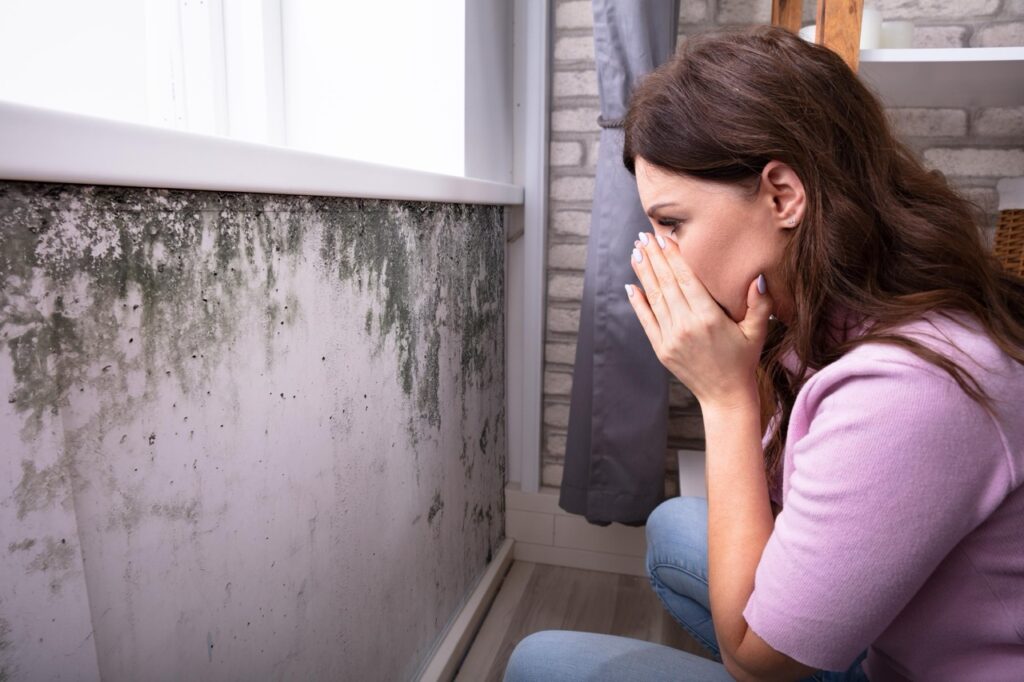
While Southern Nevada is predominantly dry, humid conditions inside homes — especially around air conditioning units, bathrooms, and kitchens — can encourage mold growth. Mold spores are potent indoor allergens and can trigger allergic reactions in sensitive individuals.
Maintaining clean indoor air and monitoring air conditioning filters is especially important during summer season, when systems run continuously and can recirculate indoor allergens.
Dust Mites Thrive in Certain Conditions
Dust mites are among the most common indoor allergens and can worsen during the summer months depending on humid conditions in sleeping areas. Combined with outdoor allergens tracked inside, indoor air quality becomes a significant factor in allergy management during hot weather.
Dehydration Makes Allergy Symptoms Worse
One often-overlooked environmental factor during extreme heat is hydration.
When dehydration occurs during high temperatures:
- Nasal congestion worsens as mucus thickens
- Nasal passages become dry and more irritated
- The immune system may have a harder time moderating allergic responses
- Symptoms like runny nose, sinus pressure, and watery eyes become more noticeable
Staying hydrated won’t prevent allergic reactions, but it supports your body’s ability to manage symptoms effectively.
Heat and Asthma: A Significant Impact on Well-Being
For patients managing both asthma symptoms and allergies, extreme heat can have a significant impact on well-being. Hot weather may contribute to:
- Increased airway inflammation
- Greater heightened sensitivity to common allergens
- Difficulty with outdoor activities
- Increased risk of severe asthma symptoms flare-ups
This risk is especially elevated on days when summer heat, poor air quality, and high pollen counts all occur at the same time — a scenario that’s increasingly common in Southern Nevada.
Preventive Measures: How to Manage Summer Allergies in the Heat
While you can’t control weather patterns, there are preventive measures that can reduce allergen levels in your environment and help you manage symptoms effectively.
Monitor Pollen Counts and Air Quality
Check daily pollen counts and air quality indexes before planning outdoor activities. Apps and local weather services often provide pollen levels by plant species, helping you anticipate your worst days.
Limit Outdoor Exposure at Peak Pollen Times
Peak pollen times are typically mid-morning. Staying indoors or scheduling outdoor activities in the early evening can help minimize exposure during high-pollen windows.
Keep Indoor Air Clean
- Change HVAC filters regularly to reduce indoor allergens
- Use high-efficiency air filtration to capture mold spores, dust mites, and pollen
- Keep windows closed on high pollen season days
- Monitor air conditioning systems for moisture that can drive mold growth
Stay Hydrated
Drink plenty of water throughout the day, especially during extreme heat, to support immune system function and reduce irritation from dry indoor air and outdoor allergens.
Consider Allergy Medications
Over-the-counter and prescription allergy medications can help manage common allergy symptoms during summer season, but the right choice depends on your specific allergens and symptom profile. An allergist can guide you toward options that address your triggers directly.
Wear Protective Clothing
On high-pollen days, wearing long sleeves and changing clothes after time outdoors can reduce the amount of pollen and allergens you carry inside.
When to See an Allergist for Summer Allergies
If your allergy symptoms consistently worsen during summer months or feel difficult to manage with standard allergy medications, it may be time for a comprehensive evaluation with an allergist.

An experienced team of allergy specialists can help determine:
- Which common allergens — grass pollen, mold spores, dust mites, food allergies, or others — are affecting you most
- Whether asthma symptoms are compounding your allergic reactions
- Whether allergy shots (immunotherapy) are a good long-term option for your allergy triggers
- Which treatment options offer lasting relief beyond allergy season
The goal isn’t just managing symptoms — it’s helping you enjoy outdoor activities, protect your well-being, and live comfortably in Southern Nevada year-round.
Don’t Let Extreme Heat Control Your Summer
Extreme heat, declining air quality, higher pollen production, and increased mold growth create the perfect storm for allergy sufferers in Southern Nevada. Whether you’re dealing with spring allergies that linger into summer, seasonal allergies triggered by grass pollen or mold spores, or severe allergic reactions made worse by hot weather, professional evaluation can make a real difference.
At Southern Nevada Allergy, our experienced team helps patients identify their allergy triggers, understand their immune system‘s responses, and build personalized allergy management plans designed for the unique environmental factors of the Mojave region.
Ready to Breathe Easier This Summer?
Schedule an appointment with Southern Nevada Allergy to find out what’s driving your allergies and discover treatment options — from allergy medications to allergy shots — that can help you stay comfortable even during the hottest summer season on record.
Your well-being doesn’t have to wait for cooler weather.


